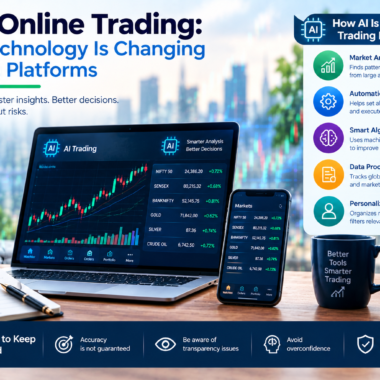
AI trading apps are becoming more visible as financial technology companies add machine learning, automation, data analysis, and natural-language features to trading interfaces. For users, these applications can make large amounts of market information easier to process. At the same time, the presence of artificial intelligence can create unrealistic expectations if users assume that an algorithm can predict markets with certainty.
An AI-enabled trading app should therefore be evaluated as a technology product as well as a financial service. Users need to understand what the app actually does, where its data comes from, how signals are generated, and what happens when an automated instruction is sent to the market.
What Is an AI Trading Apps?
An AI trading app is a mobile or web application that incorporates artificial intelligence or machine-learning techniques into one or more parts of the trading workflow. It might use AI for market analysis, pattern detection, alerts, portfolio monitoring, research summaries, or strategy support.
Not every app described as “AI-powered” uses advanced Machine Learning Trading for order execution. Some may simply include an AI assistant alongside conventional trading tools. Reading the product documentation is therefore more useful than relying on the label alone.
Features to Look For
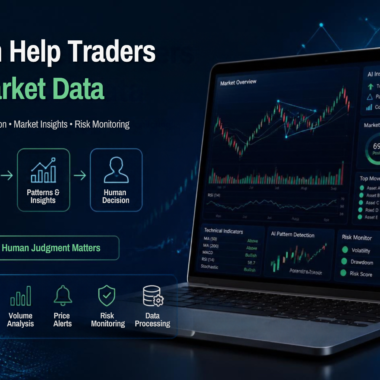
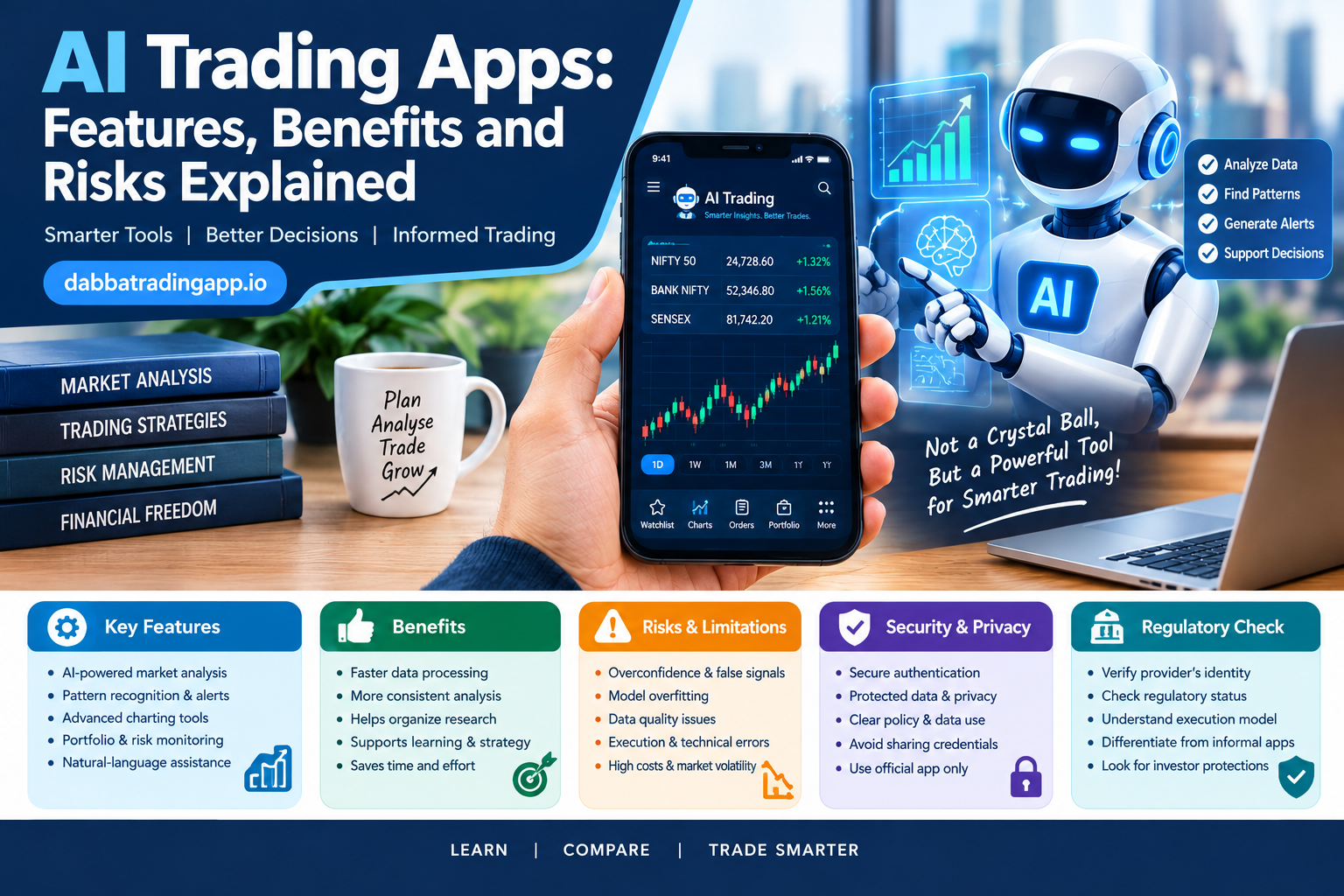
One feature is automated market analysis. An AI model can examine large datasets and identify relationships that may be difficult to spot manually. Depending on the system, this could involve price, volume, volatility, or other variables.
Another feature is signal generation. An application may generate an alert when its model identifies conditions that match a predefined strategy. Such signals should be treated as analytical outputs rather than guaranteed predictions.
Natural-language assistance is another growing feature. Users may be able to ask questions about selected market data and receive a structured explanation. The quality of this feature depends on the model, data source, and safeguards used by the provider.
Risk-monitoring tools can also be valuable. A system may track position sizes, concentration, drawdowns, or changes in volatility. These functions can support discipline when they are configured correctly.
Benefits of AI-Based Tools
Speed is a major potential benefit. Computers can process and filter large quantities of structured information quickly. This can help traders monitor many instruments without manually checking every chart.
Consistency is another advantage. An automated rule can be applied in the same way each time it is triggered. This may reduce some forms of emotional interference, although it cannot eliminate poor strategy design or impulsive behavior around the system.
AI can also help organize research. Instead of opening many screens, a user may receive summaries, alerts, or filtered information. For learners, this can make complicated datasets easier to explore.
Risks of AI Trading Apps
The most important risk is overconfidence. A sophisticated interface can make a strategy appear more reliable than it actually is. Historical performance does not guarantee future results.
Models can also overfit. Overfitting happens when a strategy becomes extremely well adapted to historical data but performs poorly on new market conditions. A model can look impressive in testing while failing in live trading.
Data quality is another concern. AI systems depend on their inputs. Delayed prices, missing records, inaccurate corporate information, or poorly processed data can affect outputs.
There are also execution risks. If an AI system is permitted to place orders automatically, an error in logic, configuration, connectivity, or position sizing can have direct financial consequences.
Costs and Market Conditions
A strategy’s results should be evaluated after realistic costs. Brokerage, taxes, exchange charges, spreads, slippage, and financing costs can all affect actual outcomes.
Market regimes also change. A model developed during a strong upward trend may behave differently during a volatile or declining period. Testing across different conditions can provide a more realistic picture.
Security and Privacy
AI apps may process account information, trading history, or user queries. Users should understand what information the service collects and how it is protected.
Strong authentication, secure communication, transparent privacy policies, and clear account controls are important. Users should never provide passwords, one-time passwords, or sensitive account credentials to an AI assistant unless the official service explicitly requires a secure process.
Regulatory Considerations
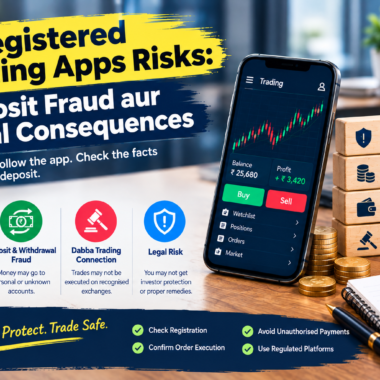
AI technology does not by itself make a financial service regulated. Users should verify the identity and regulatory status of the provider and understand which entity actually executes or facilitates trades.
In India, investors should distinguish between regulated market intermediaries and informal trading arrangements. A professional-looking app is not proof of authorization.
How Beginners Can Evaluate an AI App
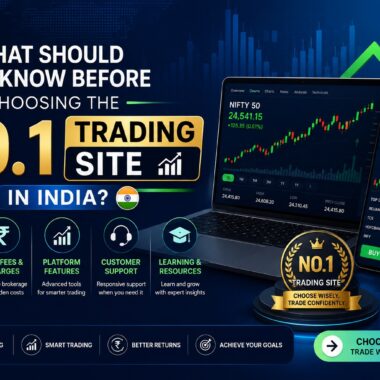
Start by asking a few basic questions. What markets does the app cover? What data does it use? Is the AI feature analysis, alerts, or automated execution? Can results be tested? What fees apply? Who operates the service? What protections and support channels are available?
It is also sensible to begin with simulated or very limited exposure where appropriate, rather than assuming that an AI signal deserves immediate real-money execution.
Conclusion
AI trading apps can combine conventional Trading Functions with automated analysis, pattern recognition, alerts, research assistance, and risk-monitoring features. Their main value lies in processing information and automating selected tasks, not in guaranteeing market predictions.
Users should examine the technology, data, costs, security, execution process, and regulatory status before relying on an application. AI can be a useful component of a trading workflow, but sound financial decisions still require realistic expectations and careful risk management.
People exploring AI trading apps should separate genuine analytical features from marketing language. AI trading can help with data processing, alerts, and research, but users should still evaluate data quality, testing, costs, security, and the risks of automated execution.